Grosvenor Casino Swansea Closes Permanently After Sustained Losses
Quinn Krause · Sep 4, 2026
Grosvenor Casino Swansea Closes Permanently After Sustained Losses
The Closure Announcement and Timeline
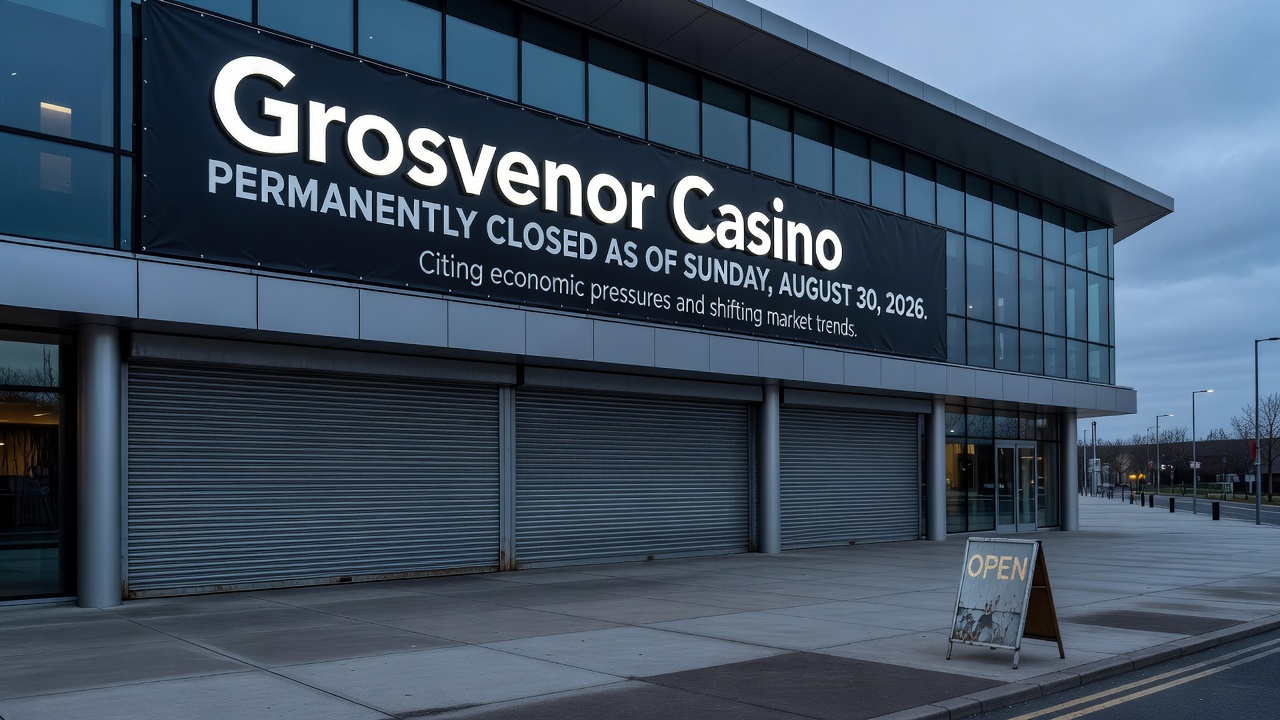
Grosvenor Casino in Swansea, Wales, permanently closed its doors on Sunday, August 30, 2026, after years of mounting financial pressure that included an operating loss of £73,000 for the financial year ending June 28, and the company cited rising operating costs that climbed 11 percent over three years alongside steadily declining profitability as the core reasons for the decision, while staff members immediately began disputing the timing and terms of their redundancy agreements.
Observers note that the venue had operated for decades as a central part of Swansea's entertainment district, yet the final day of business passed without any public reopening plans, and local authorities received formal notification of the shutdown just days before the August 30 deadline.
Financial Pressures Behind the Decision
Data from the company's most recent filings shows the £73,000 operating loss came after three consecutive years of cost increases that reached 11 percent overall, driven largely by higher energy bills, staffing expenses, and regulatory compliance requirements that outpaced revenue growth in the region, and profitability metrics continued to fall even as management attempted various operational adjustments throughout 2025 and early 2026.
According to industry reports from the CDC Gaming brief on the matter, the combination of these factors left the Swansea location unsustainable, and parent company executives determined that continued operation would only deepen the existing losses without any realistic path to recovery in the near term.
What's notable here is how the closure aligns with broader patterns of venue rationalization in parts of the UK gaming sector, although this specific site faced unique local market conditions that accelerated the timeline.
Employee Redundancy Disputes
Employees at the Swansea location have challenged several aspects of the redundancy process, particularly the timing of notifications and the calculation of final payments, and union representatives have requested formal meetings with management to review the agreements before any payouts are finalized in the weeks following the August 30 shutdown.
Those affected include dealers, hospitality staff, and administrative personnel who worked at the venue until its last day of operation, and the dispute centers on whether the company provided adequate consultation periods as required under Welsh employment regulations, with some workers claiming the process moved forward too quickly after the closure decision was announced.
Turns out the disagreement has already prompted involvement from local employment advisors, and further discussions are scheduled throughout September 2026 to address the outstanding issues before the redundancy packages are finalized.
Impact on the Local Area and Next Steps
Swansea city officials have acknowledged the closure as a loss for the nighttime economy, and economic development teams are now evaluating options for repurposing the site while monitoring any ripple effects on nearby businesses that relied on casino visitors, although no specific redevelopment plans have been released as of early September 2026.
Staff members who have secured new positions elsewhere report starting those roles in the first weeks of September, while others remain focused on resolving the redundancy terms through ongoing negotiations, and the company has stated it will honor all contractual obligations once the disputes reach resolution.
Research from European gaming associations indicates that similar venue closures often lead to short-term employment gaps before staff transition into other hospitality or retail roles, yet the Swansea case remains distinct because of the active dispute over agreement timing.
Conclusion
The permanent closure of Grosvenor Casino Swansea on August 30, 2026, reflects a clear case of sustained financial challenges that included the documented £73,000 loss, 11 percent operating cost growth, and falling profitability, while the employee disputes over redundancy terms continue to unfold in the following weeks, and all parties involved are expected to reach final agreements by the end of September 2026.