How Emerging Payment Technologies Are Altering Access Patterns for Regulated Digital Gambling Platforms Across Asia, Africa, and Latin America
Gisela Otto · Oct 30, 2026
How Emerging Payment Technologies Are Altering Access Patterns for Regulated Digital Gambling Platforms Across Asia, Africa, and Latin America
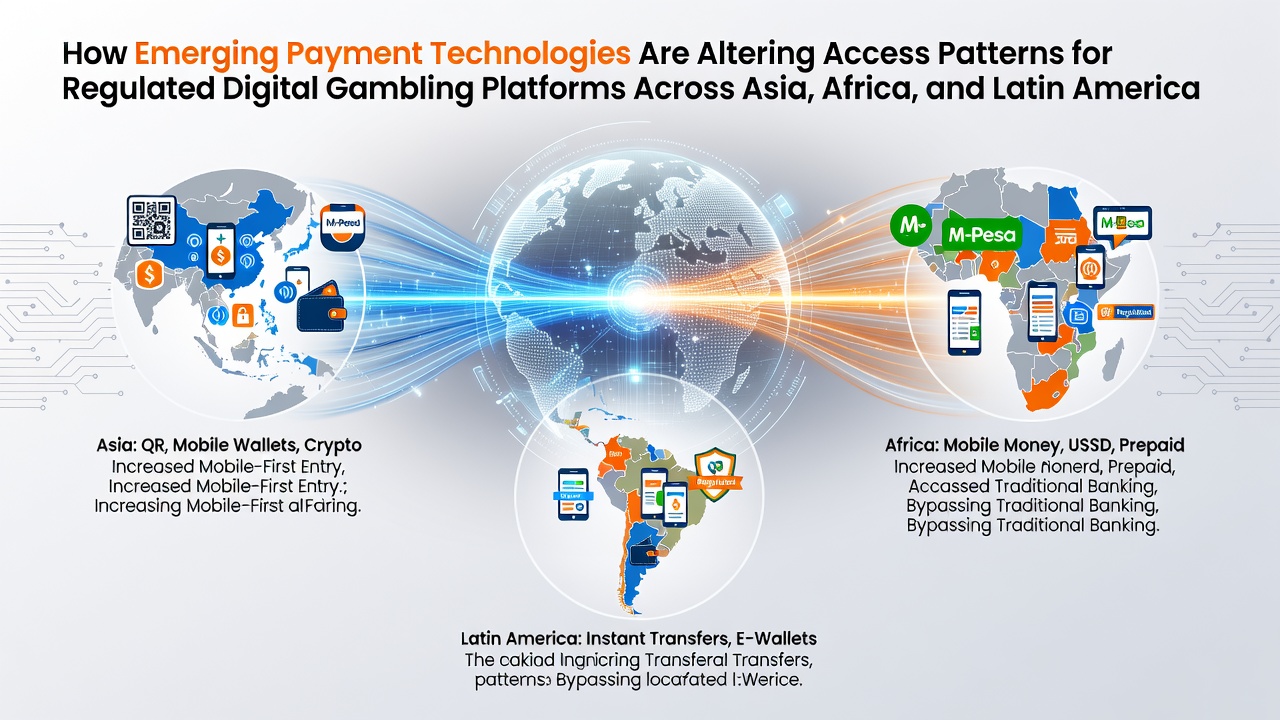
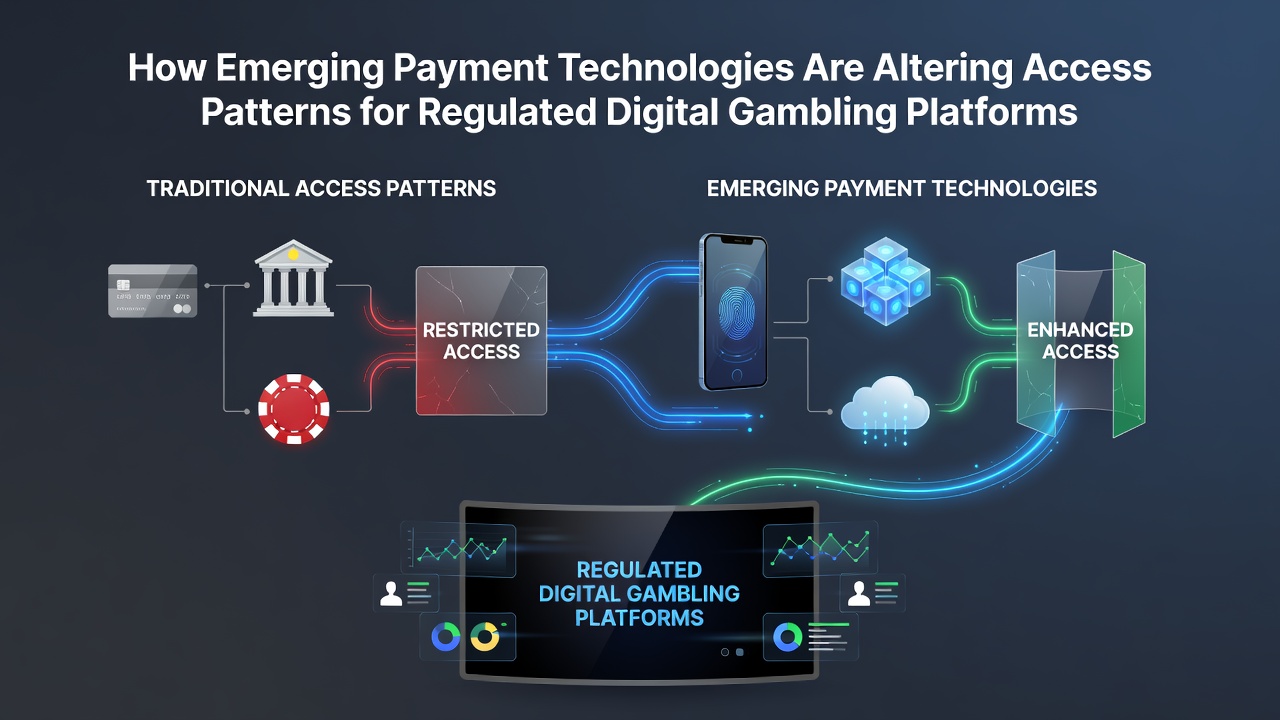
Emerging payment technologies continue reshaping how players reach regulated digital gambling platforms throughout Asia, Africa, and Latin America, with mobile wallets, instant bank transfers, and blockchain-based systems driving measurable shifts in user behavior and market reach as of October 2026. Data from regional financial reports shows that these tools reduce traditional barriers such as cash handling and cross-border transaction delays, allowing operators to onboard users through methods that align with local banking infrastructures and regulatory requirements.
Payment Innovations in Asia
Across Asia, systems like India's Unified Payments Interface and Singapore's PayNow have integrated directly with licensed gambling operators, enabling real-time deposits that bypass slower card networks while maintaining compliance with know-your-customer rules. Researchers at the Asian Development Bank noted that transaction volumes for digital gambling accounts grew by 34 percent between 2024 and 2026 in markets where these interfaces gained regulatory approval. Observers note that platforms in the Philippines and Malaysia now route a majority of deposits through local e-wallets because these channels cut processing times from days to seconds and lower fees that previously deterred smaller wagers.
China's Alipay and WeChat Pay ecosystems remain restricted for gambling, yet neighboring jurisdictions have adopted similar QR-code models that link verified player accounts to licensed sites. Figures from the Monetary Authority of Singapore reveal that approved operators processed over 2.1 million monthly transactions via these channels in the first half of 2026, illustrating how regional payment rails expand access without requiring international card issuers.
Mobile Money Expansion Across Africa
Africa presents one of the clearest cases where mobile money services have transformed entry points for regulated platforms. Kenya's M-Pesa network and Ghana's MTN Mobile Money now support direct transfers to operators holding licenses from national gaming authorities, and studies from the GSMA indicate that 62 percent of active digital gambling accounts in East Africa used mobile money for deposits during 2025. Those who've tracked adoption patterns report that rural users, previously limited by sparse bank branches, now complete verification and funding steps entirely on smartphones, increasing participation rates in countries such as Nigeria and Tanzania where cash-based systems once dominated.
Regulators in these markets require operators to partner only with licensed mobile money providers, which creates auditable trails that satisfy anti-money-laundering standards. This integration has produced higher retention among first-time players who value the familiarity of local wallet interfaces over foreign card options.
Latin American Digital Transfers and Pix
Latin America has seen parallel developments centered on Brazil's Pix instant-payment system and similar real-time rails in Mexico and Colombia. Central bank data from Brazil shows that Pix accounted for 71 percent of deposits at regulated gambling sites in the third quarter of 2026, replacing older boleto and card methods that carried higher abandonment rates. Operators report that average deposit sizes have risen modestly because players can move funds without minimum thresholds imposed by international processors.
Academic analyses from the Inter-American Development Bank highlight that these systems lower the cost of cross-border play for users in Argentina and Chile who previously relied on cryptocurrency exchanges to circumvent capital controls. Licensed platforms now embed Pix QR codes and API connections that streamline onboarding while preserving transaction records required by local gaming commissions.
Regulatory and Security Considerations
Governments across all three regions have updated licensing frameworks to accommodate these technologies, mandating that operators demonstrate secure API integrations and real-time fraud monitoring. Evidence from industry reports indicates that platforms adopting multi-factor authentication tied to mobile wallets experience 28 percent fewer disputed transactions compared with those still dependent on legacy card gateways. Yet the same reports note that regulators continue refining rules around cryptocurrency deposits, with several Asian and African jurisdictions requiring additional licensing for any blockchain-based funding options.
Those who've examined player demographics observe that younger users in urban centers adopt these methods faster, while older demographics in rural areas show slower but steady uptake once local language interfaces become available. This pattern holds across markets where payment providers have localized their apps to match national identification systems.
Conclusion
The convergence of mobile money, instant bank transfers, and emerging blockchain tools continues expanding reliable access to regulated digital gambling platforms throughout Asia, Africa, and Latin America. Official statistics compiled through October 2026 confirm sustained growth in verified transaction volumes, driven by infrastructure that aligns with existing consumer habits and regulatory oversight. As these payment rails mature, operators and authorities alike track usage data to maintain compliance while serving broader player bases across diverse economic landscapes.