How National Banking Regulations Shape Preferred Deposit Methods for Digital Casino Users in Select Global Regions
Gisela Otto · Nov 13, 2026
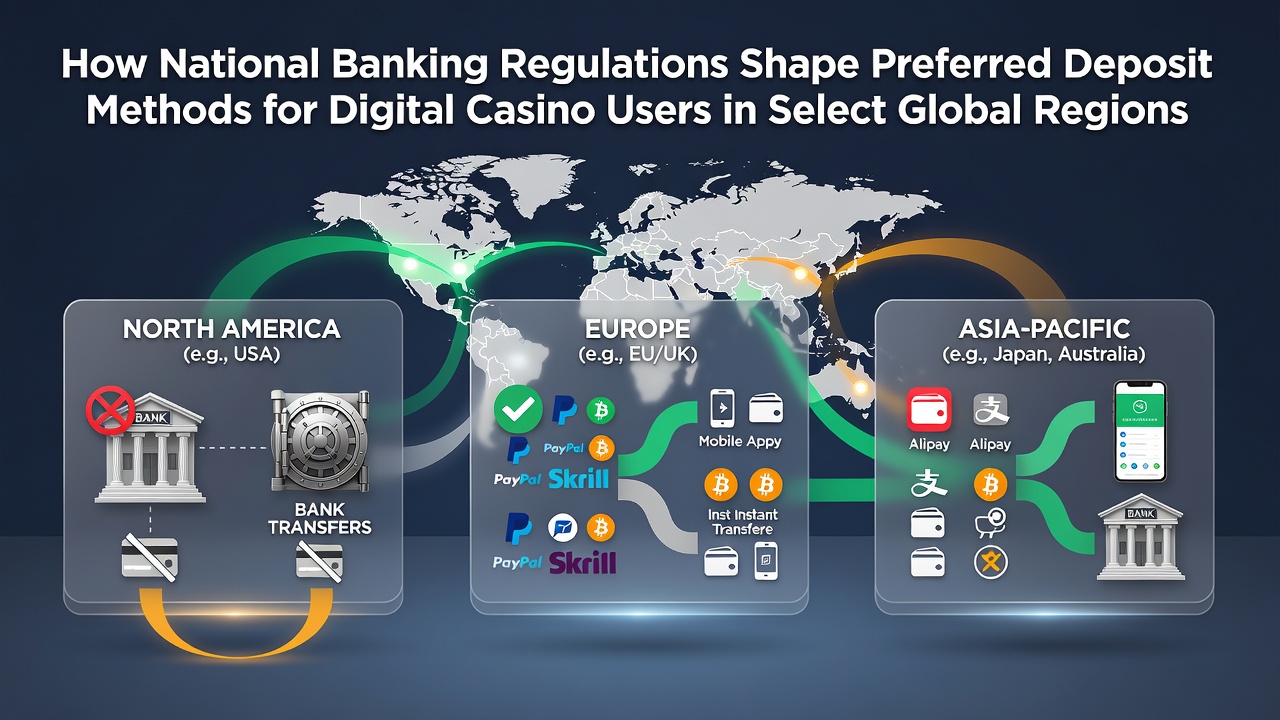
How National Banking Regulations Shape Preferred Deposit Methods for Digital Casino Users in Select Global Regions
National banking regulations continue to determine which deposit methods digital casino users can access in various parts of the world, and the patterns emerging by late 2026 show clear differences tied to local rules on anti-money laundering, consumer protection, and financial stability. In the United States, federal guidelines under the Unlawful Internet Gambling Enforcement Act have long restricted direct credit card transactions for online gambling, which pushes users toward e-wallets, prepaid cards, and bank wires that comply with state-level licensing requirements; data from the Financial Crimes Enforcement Network indicates that these alternatives now account for the majority of deposits in regulated markets.
United States Framework and User Adaptations
State-by-state variations add another layer, where operators licensed in New Jersey or Pennsylvania must integrate payment processors that verify funds through approved banking channels, and recent updates effective into November 2026 have expanded requirements for real-time transaction monitoring. Users in these jurisdictions often turn to digital wallets because they bypass some direct bank restrictions while still meeting know-your-customer standards set by federal authorities.
European Payment Rules and Regional Differences
Across the European Union, the revised Payment Services Directive has reshaped how gambling platforms handle deposits by mandating strong customer authentication for electronic transfers, which favors instant bank payments over traditional card methods in countries with strict oversight. Observers note that operators in markets like Germany and teh Netherlands have seen increased adoption of open banking solutions since these rules took hold, because the systems allow direct account-to-account transfers that align with both banking and gambling licensing conditions.
Asia-Pacific Developments
In Australia, banking regulations enforced through the Australian Transaction Reports and Analysis Centre require gambling operators to use payment gateways that conduct enhanced due diligence on high-volume transactions, leading to a preference for local bank transfers and approved e-wallets among users. Figures from the Reserve Bank of Australia reveal that these methods now dominate deposit volumes in the regulated online sector, while credit card use has declined steadily under the compliance burden. Reserve Bank of Australia reports further highlight how these shifts occurred alongside broader financial reforms aimed at reducing exposure to high-risk sectors.
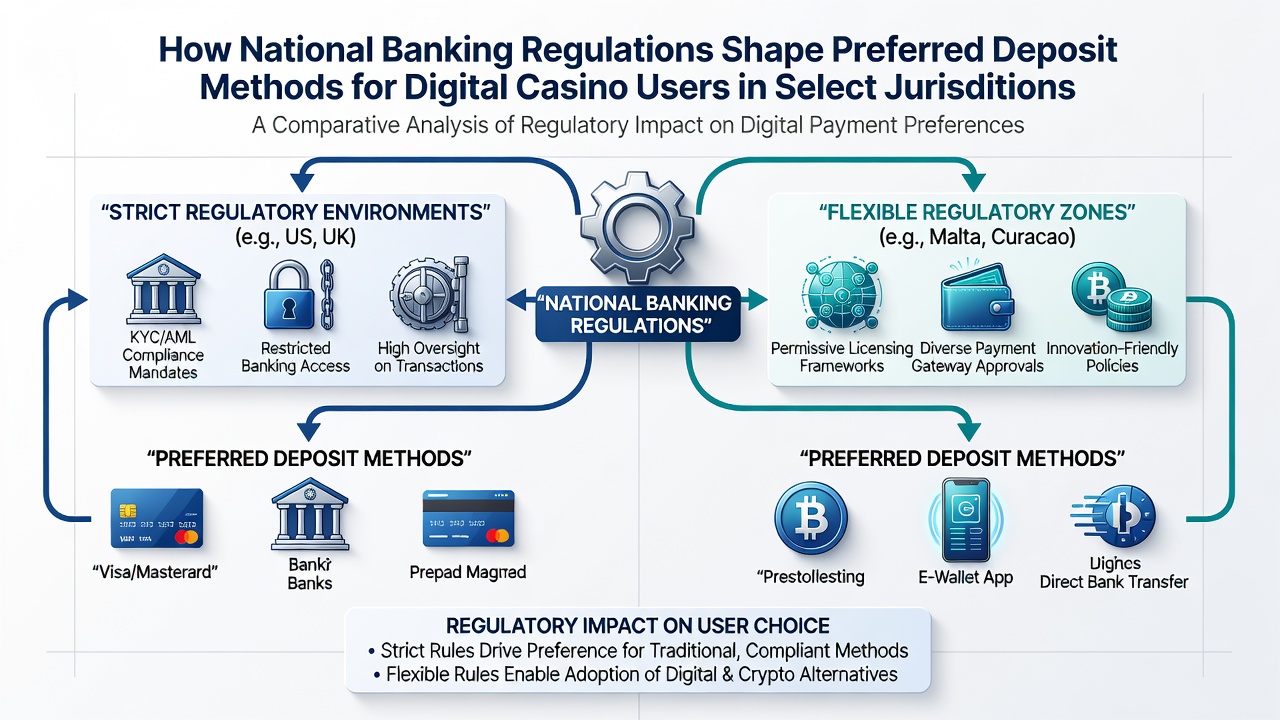
Canada presents a mixed picture, where provincial regulators work alongside federal banking rules that limit certain international card processors; this environment encourages the use of Interac e-transfers and regional banking apps that satisfy both anti-money laundering checks and platform verification needs. Research from Canadian financial institutions shows steady growth in these localized options as operators align with updated standards rolling out through 2026.
Additional Regional Examples
Singapore and Japan maintain tight controls on gambling-related financial flows, with the Monetary Authority of Singapore requiring licensed platforms to route deposits exclusively through domestic banks that apply rigorous screening protocols. Users there therefore rely on direct bank debits or government-approved digital payment services, while crypto options remain limited due to separate capital markets regulations. In Latin American markets such as Brazil, evolving central bank guidelines on digital payments have opened pathways for instant PIX transfers, which have quickly become the dominant method because they integrate easily with local banking infrastructure and meet emerging compliance expectations for gambling operators.
What's interesting is how these regulatory environments create ripple effects on user behavior without directly banning specific tools; instead, they shape availability through licensing conditions that payment providers must follow. One study from an academic research group tracking cross-border transactions found that regions with integrated banking and gambling oversight see faster migration to compliant methods compared to areas with fragmented rules.
Conclusion
The interplay between national banking regulations and digital casino deposit preferences continues to evolve as governments refine their approaches to financial oversight, and patterns observed through November 2026 demonstrate that compliance-driven shifts favor secure, traceable options like e-wallets and open banking transfers in most examined regions. These developments reflect broader efforts to balance market access with risk management, and they produce distinct regional profiles rather than uniform global standards.